
How to Pick Glides That Fit, and Keep Your Floors Looking Good
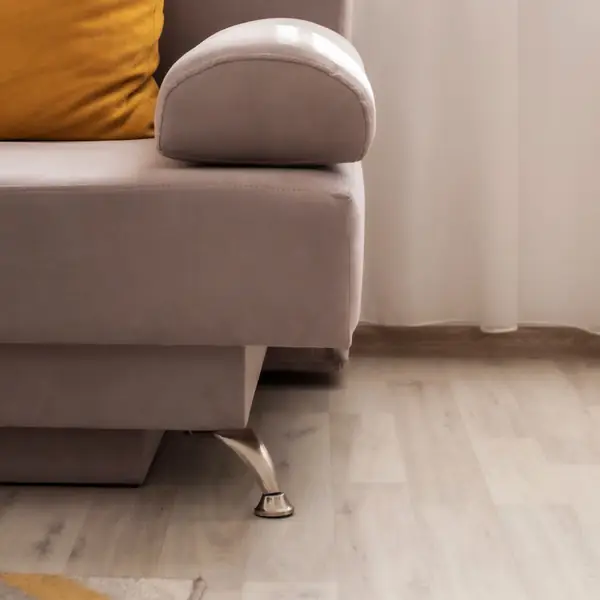
Ever dragged a chair across a hardwood floor and winced at the sound? Glides are small, inexpensive, and easy to overlook, but they do a big job: protecting your floors and making furniture easier to move.
Step One: Get the Size Right
Glide size is determined by the outside dimension of the tube or leg. If you’re looking at inside-fitting glides, you’ll also need to pick according to the gauge (wall thickness) of the tube. Measure first and buy second, and you’ll avoid a lot of returns.
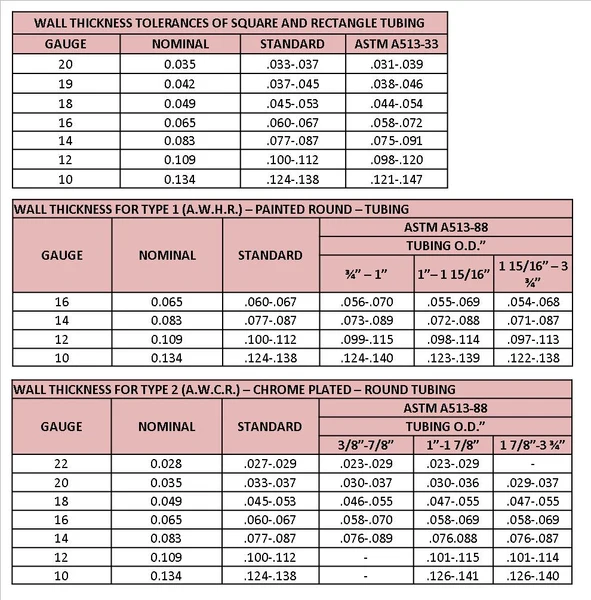
A loose glide is as bad as no glide at all. If it slips off or shifts, the floor is unprotected, so make sure each one fits snugly.
Step Two: Match the Material to Your Floor
Different materials suit different jobs:
- Felt — soft and dense, the usual choice for chairs, tables, and sofas on hardwood. It needs to be kept clean and replaced periodically.
- Rubber — non-marking and grippy, a good fit for heavier or metal furniture. It also helps stop things from sliding.
- Hard plastic — slides easily, which suits furniture that moves between carpet and hard floors. On hardwood, a thick felt glide is usually the gentler pick.
- Metal — durable and best kept for carpet or heavy-duty use, not finished wood.
Step Three: Pick Your Style
Casterland carries a wide range of glide types, including chair leg glides, wooden furniture legs, furniture caps, furniture levelers, tack glides, round swivel glides, inserts (swivel inserts, threaded square inserts, and threaded round inserts), hand grips, and wire tips.
You can also narrow things down by material and colour:
| Shop by | Options |
|---|---|
| Glide material | Acetate polyethylene, heavy duty polyethylene, metal, nylon, plastic, plastic/metal, polyethylene, and vinyl |
| Glide colour | Black, brass, chrome, die cast, grey, metal, steel, tan, and white |
Not sure which glide fits your furniture? Ask a Casterland specialist and they’ll help you match it.
Tips for “Safe Gliding”
Plastic caps and inserts on the bottoms of chairs are considered excellent floor protection with proper care. The key words are “proper care”:
- Clean your glides regularly. They pick up dirt particles, and those particles can scratch your floor.
- Keep an eye on felt protectors. These sticker-like glides can be applied to the bottom of chair legs or other furniture, and they need to be cleaned or replaced as needed.
- Replace any glide that is showing wear. A good habit is to check them every six to twelve months, and straight away if one looks compressed, dirty, or has come loose. Busy rooms and frequently moved furniture may need it sooner.
- Prep before you stick. For self-adhesive glides, wipe the leg clean and let it dry first so the glide stays put.
- Spread the weight. Wider glides share a heavy load over more floor, which helps prevent dents.
Ready to Find Yours?
Measure the outside dimension of the leg or tube (and the gauge, for inside-fitting glides), pick a material that suits your floor, choose a style, and keep them clean. That’s it. If you’d like help matching a glide to your furniture, Casterland and its sister brand, Caster Town, are happy to help. Shop glides by type, material, and colour at casterland.com/collections/glides, or reach out to the team directly.